
 Image 1 of 4
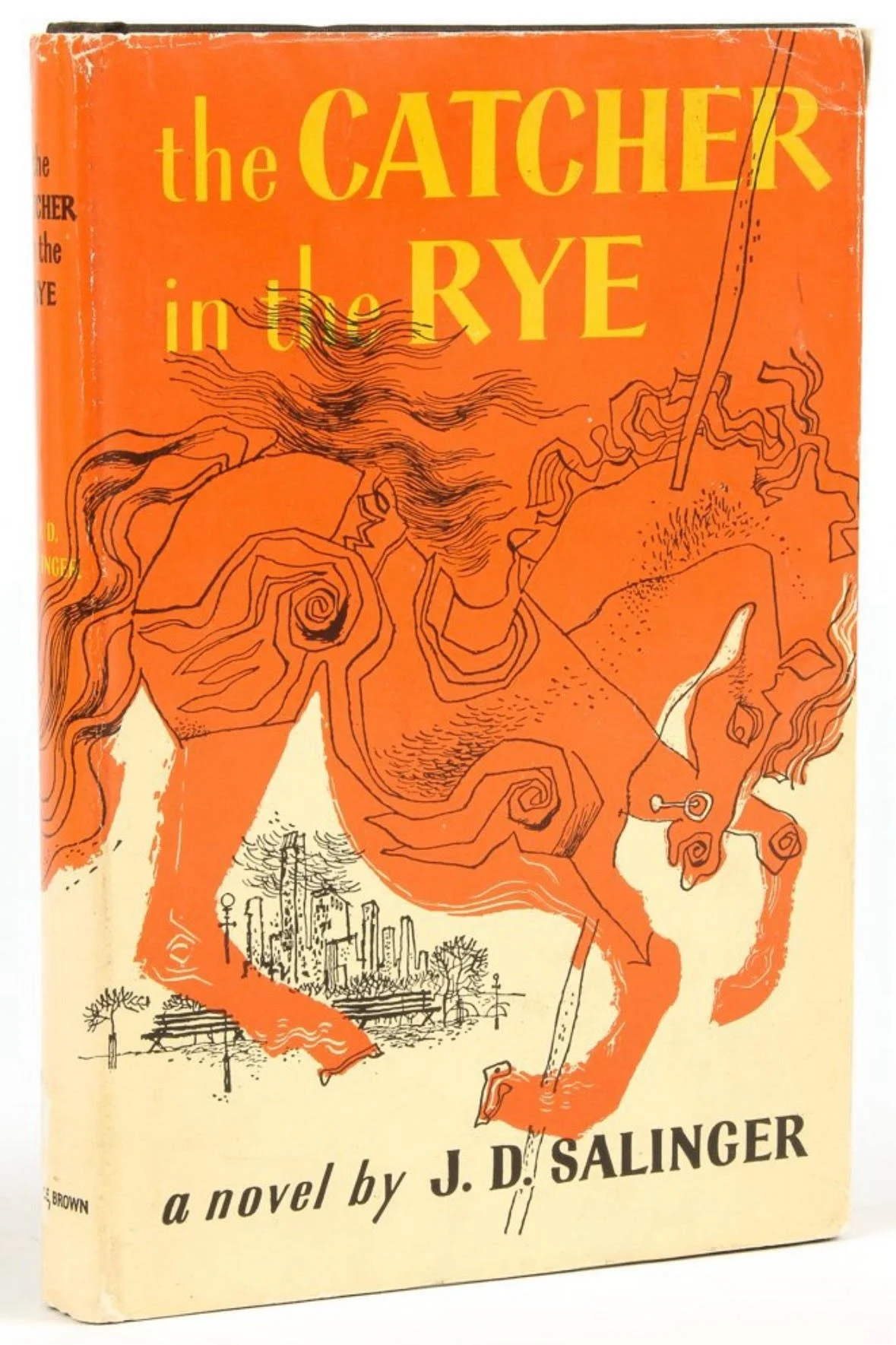 Image 2 of 4
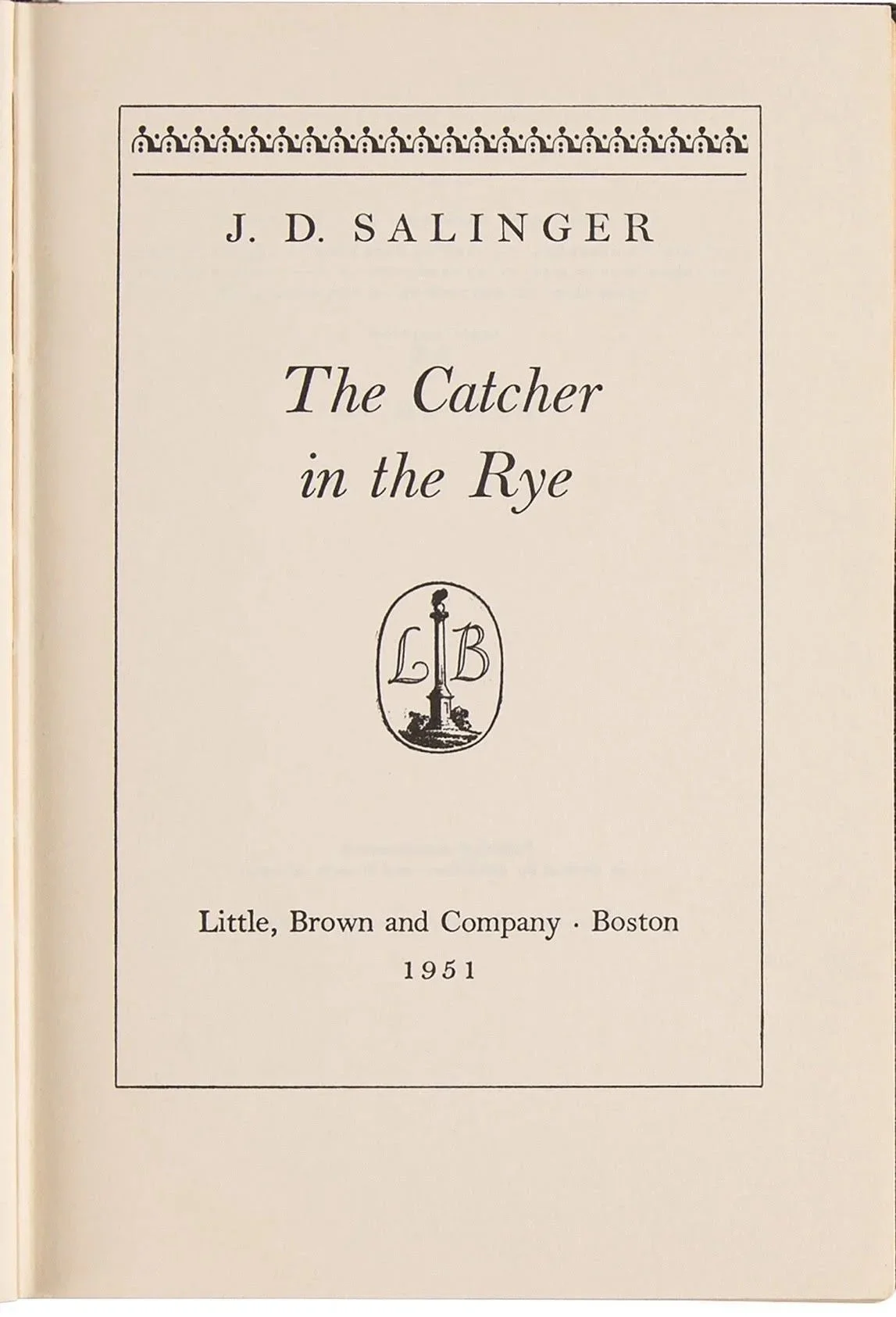 Image 3 of 4
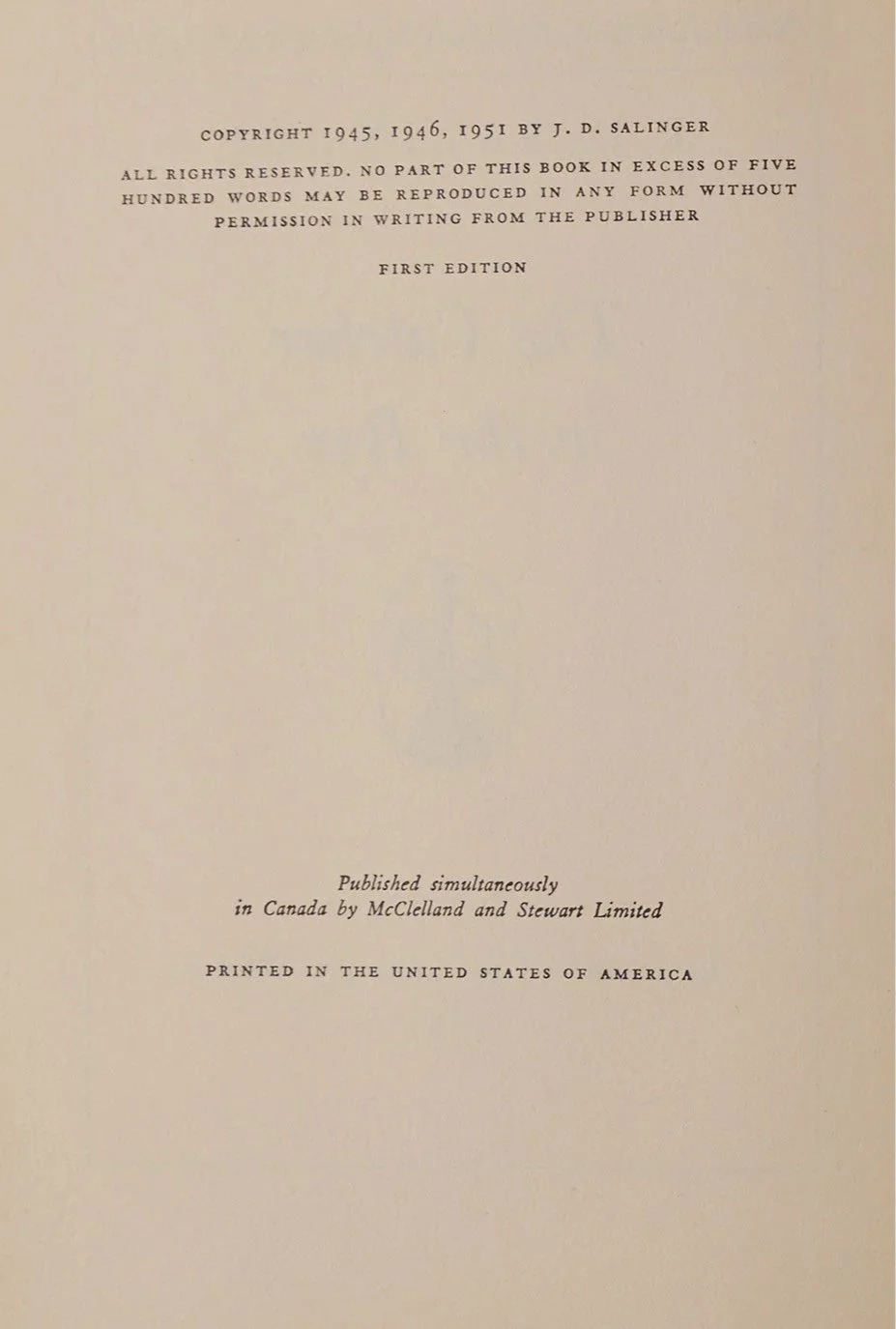 Image 4 of 4
The Great American Novel? [SALINGER, J.D]
The Catcher In The Rye Boston: Little, Brown and Company, 1951
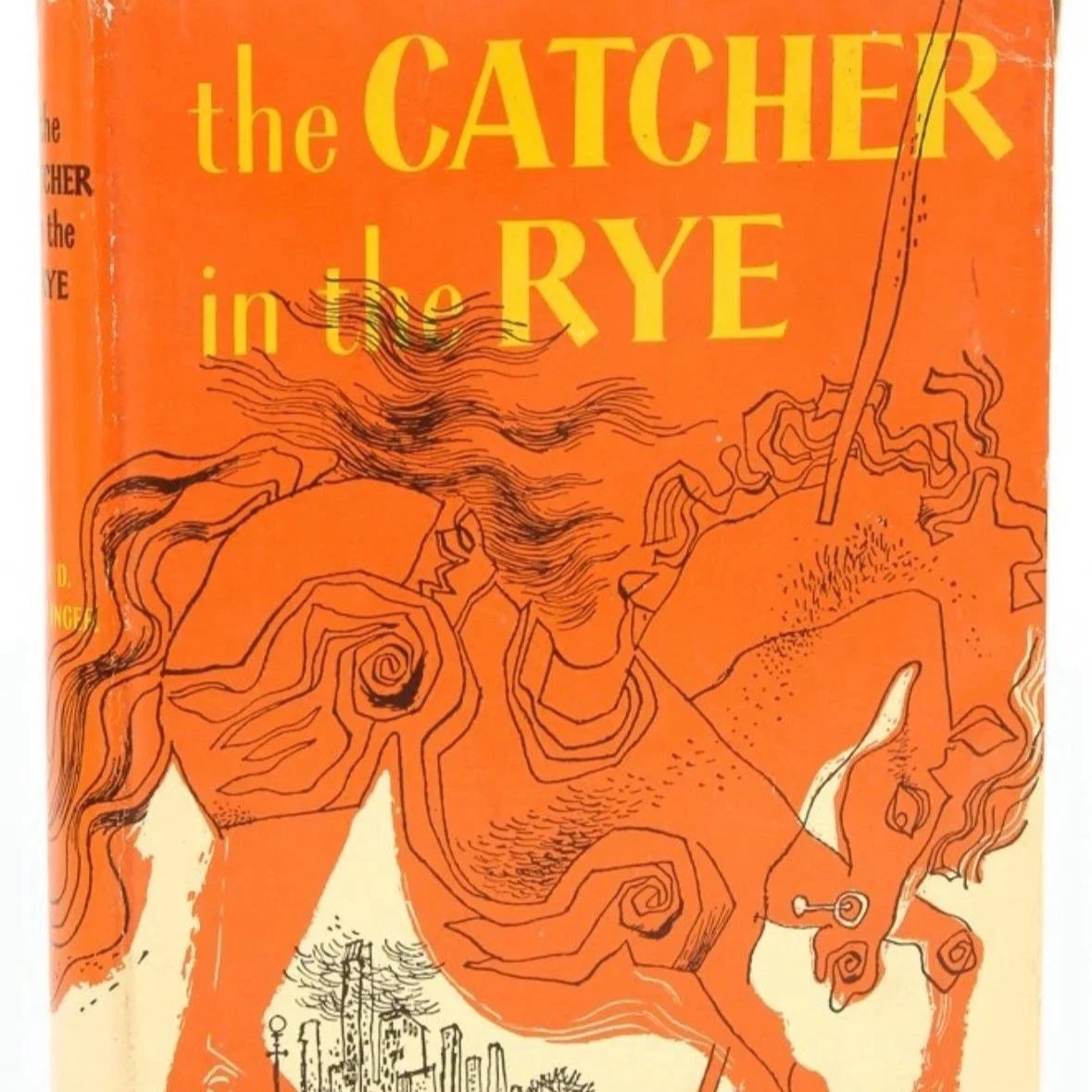
First edition, first printing, in the first-issue dust jacket, identifiable by the close cropping of Salinger's hair in the photograph on the rear panel. The great American coming-of-age story, Salinger's The Catcher in the Rye, distils the voice of adolescence in Holden Caulfield. A sunned example, but one with no evidence of restoration to the jacket.
The Book-Of-The-Month Club picked up The Catcher in the Rye just after it was set in galleys. Salinger, ever averse to publicity of any sort, felt the portrait photo on the back cover, as seen in this copy, was too big. He later lobbied to have the photograph removed, and it has not been reprinted since.
Salinger worked on Catcher, chronicling Holden Caulfield’s escape from Pencey Prep—reportedly modelled on the Valley Forge Military Academy that Salinger himself attended—to his personal New York City underground, on and off for ten years. It was finally published to mixed reviews, which praised Salinger’s brilliance and insight but condemned the pervasiveness of obscenities in the novel. It continues to provoke the “phonies” to the present day and is often the target of overly concerned parents when spotted on school reading lists.
"This novel is a key-work of the nineteen-fifties in that the theme of youthful rebellion is first adumbrated in it, though the hero, Holden Caulfield, is more a gentle voice of protest, unprevailing in the noise, than a militant world-changer... The Catcher in the Rye was a symptom of a need, after a ghastly war and during a ghastly pseudo-peace, for the young to raise a voice of protest against the failures of the adult world. The young used many voices — anger, contempt, self-pity — but the quietest, that of a decent perplexed American adolescent, proved the most telling" (Anthony Burgess, 99 Novels, pp. 53-54.)
The main character, Caufield’s anatomising the "phoniness" he finds in authority figures and peers alike. Although greeted with hostility by many critics for its strong language and treatment of sex and violence (it was the most frequently censored book in American high schools and libraries between 1961 and 1982) it became, and remains, one of the most influential and beloved novels of the twentieth century.
A beautiful copy of a landmark in American post-war literature.
The Great American Novel? [SALINGER, J.D]
The Catcher In The Rye Boston: Little, Brown and Company, 1951
First edition, first printing, in the first-issue dust jacket, identifiable by the close cropping of Salinger's hair in the photograph on the rear panel. The great American coming-of-age story, Salinger's The Catcher in the Rye, distils the voice of adolescence in Holden Caulfield. A sunned example, but one with no evidence of restoration to the jacket.
The Book-Of-The-Month Club picked up The Catcher in the Rye just after it was set in galleys. Salinger, ever averse to publicity of any sort, felt the portrait photo on the back cover, as seen in this copy, was too big. He later lobbied to have the photograph removed, and it has not been reprinted since.
Salinger worked on Catcher, chronicling Holden Caulfield’s escape from Pencey Prep—reportedly modelled on the Valley Forge Military Academy that Salinger himself attended—to his personal New York City underground, on and off for ten years. It was finally published to mixed reviews, which praised Salinger’s brilliance and insight but condemned the pervasiveness of obscenities in the novel. It continues to provoke the “phonies” to the present day and is often the target of overly concerned parents when spotted on school reading lists.
"This novel is a key-work of the nineteen-fifties in that the theme of youthful rebellion is first adumbrated in it, though the hero, Holden Caulfield, is more a gentle voice of protest, unprevailing in the noise, than a militant world-changer... The Catcher in the Rye was a symptom of a need, after a ghastly war and during a ghastly pseudo-peace, for the young to raise a voice of protest against the failures of the adult world. The young used many voices — anger, contempt, self-pity — but the quietest, that of a decent perplexed American adolescent, proved the most telling" (Anthony Burgess, 99 Novels, pp. 53-54.)
The main character, Caufield’s anatomising the "phoniness" he finds in authority figures and peers alike. Although greeted with hostility by many critics for its strong language and treatment of sex and violence (it was the most frequently censored book in American high schools and libraries between 1961 and 1982) it became, and remains, one of the most influential and beloved novels of the twentieth century.
A beautiful copy of a landmark in American post-war literature.